
Monson’s Minnesota Lawn Care Calendar
In Minnesota, timing is everything. Our growing season is a sprint, not a marathon. Ask any seasoned gardener in the Twin Cities, and they will tell you that applying fertilizer two weeks too early, or two weeks too late, can mean the difference between a lush, green carpet and a patchy, weed-filled struggle.
Because our cool season grasses (like Kentucky Bluegrass and Fescue) have a unique growth cycle driven by our harsh winters and humid summers, following a generic national schedule just doesn't work here. You need a plan specific to our region, informed by experts.
April
Focus: Cleanup and Crabgrass Prevention
The Task: As the snow melts, your lawn is waking up hungry and vulnerable. Late April is the critical window for applying pre-emergent herbicides. These create a barrier that stops crabgrass seeds from germinating.
Pro Tip: Don't start mowing until the grass is actually growing. Raking too aggressively on wet, muddy soil can tear up the turf.
The Monson Method: We monitor soil temperatures closely. We apply our pre-emergent treatment exactly when the soil hits 55°F—the trigger point for crabgrass germination—ensuring you are protected before the weeds even wake up.
May
Focus: Mowing and Broadleaf Weed Control
The Task: By mid-May, your grass is growing rapidly. This is the "Okay" time to aerate if your soil is heavily compacted, but it's the prime time to spot-treat broadleaf weeds like dandelions and creeping charlie before they get out of hand.
Pro Tip: Raise your mower blade! Cutting grass too short (scalping) stresses the plant and encourages weeds. Aim for 3 inches.
The Monson Method: May is often when we start our weekly mowing services. We use sharp blades to ensure a clean cut, which prevents the grass tips from fraying and turning brown.
June

Focus: Watering and Inspection
The Task: As temperatures rise, the grass growth slows down. If we have a dry spring, you need to ensure your lawn is getting about 1 inch of water per week (including rainfall).
Pro Tip: If you missed the April window, early June is your last chance for post-emergent crabgrass control on small, visible weeds.
The Monson Method: We inspect lawns for "patch diseases" that often pop up in June's humid weather. Early detection of fungal issues can save your entire lawn.
July
Focus: Water Management and Rest
The Task: DO NOT FERTILIZE. Fertilizing in the high heat of July can burn your lawn and force growth when the grass is trying to go dormant to survive. Your only job this month is to water deeply and infrequently to encourage deep roots.
Pro Tip: If your lawn turns brown, don't panic. It's likely dormant, not dead. It will bounce back when cooler weather returns.
The Monson Method: We switch our mowing schedule as needed. If the lawn is drought-stressed, we may skip a week or mow at a higher setting to shade the soil and retain moisture.
August
Focus: The Start of the "Best" Season
The Task: While spring gets all the glory, late August is actually the beginning of the best time for major lawn work. As nights get cooler, it is the ideal window to start seeding, sodding, and dethatching.
Pro Tip: If you have bare patches, start fixing them now. The soil is warm, but the air is cooling down—perfect conditions for seed germination.
The Monson Method: We begin scheduling our fall core aeration services in late August. This is the single most beneficial thing you can do for a Minnesota lawn, relieving a year's worth of compaction.
September
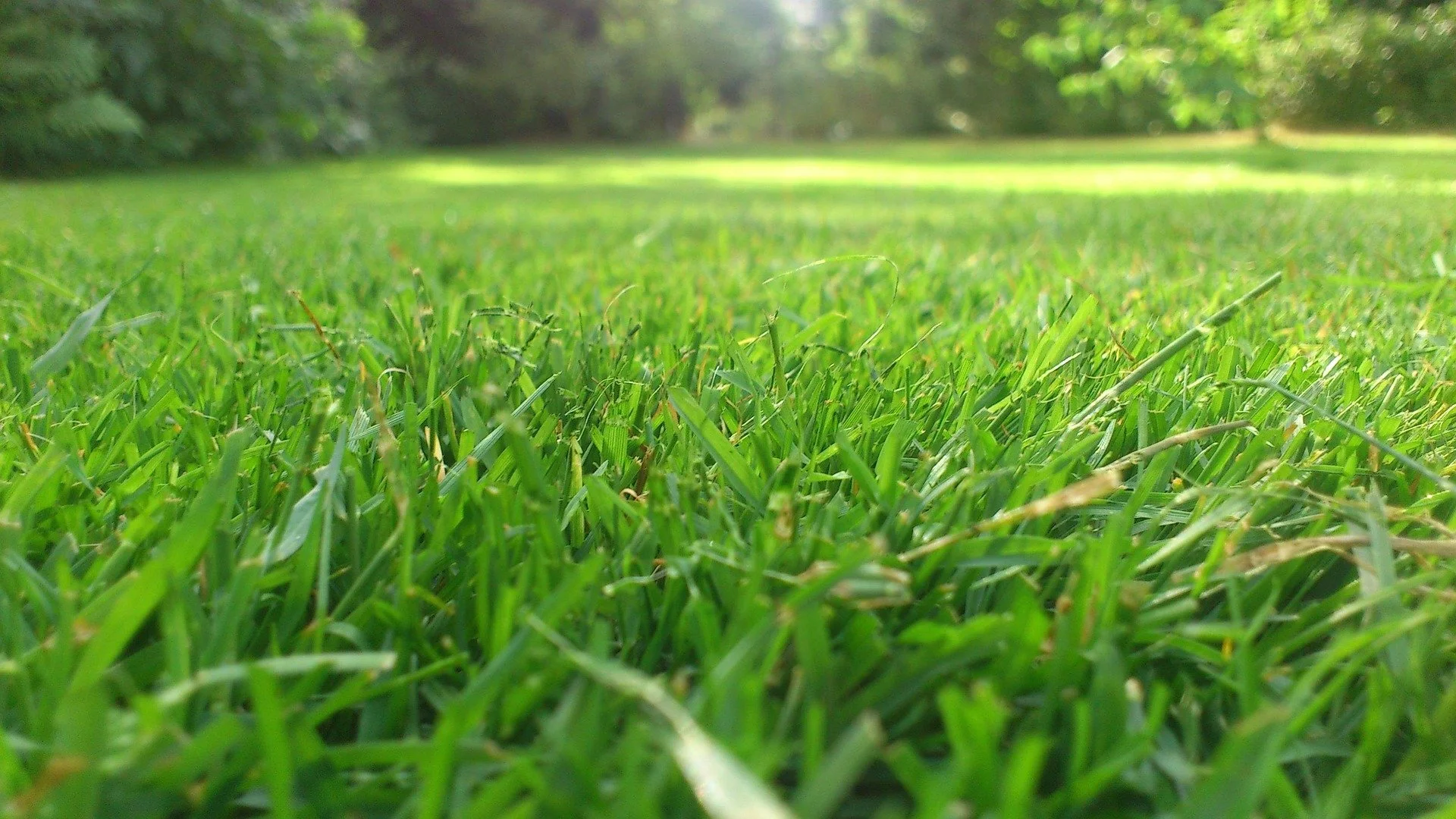
Focus: Aeration, Overseeding, and Fertilizing
The Task: This is the Super Bowl of lawn care. September is the absolute best month for aeration, overseeding, and applying nitrogen-rich fertilizer. The grass is storing energy for winter, so feeding it now builds a massive root system.
Pro Tip: If you only fertilize once a year, do it around Labor Day.
The Monson Method: We combine aeration with overseeding ("slit seeding"). The aeration holes provide a perfect seed-to-soil contact, guaranteeing a thicker lawn next spring.
October
Focus: Final Mow and Weed Control
The Task: Continue mowing as long as the grass is growing. Late October is also the most effective time to kill tough perennial weeds like Creeping Charlie, as they will pull the herbicide down into their roots while preparing for winter.
Pro Tip: Rake your leaves! A heavy mat of wet leaves left under snow invites snow mold disease.
The Monson Method: We perform our comprehensive Fall Clean Ups, removing leaves and debris to ensure the turf can breathe under the coming snowpack.
November
Focus: Dormant Seeding
The Task: Once soil temperatures drop below 40°F (usually mid-November), you can put down "dormant seed." This seed won't sprout now; it sleeps under the snow and germinates the moment the ground thaws in spring, giving you a jump-start on the season.
The Monson Method: We winterize our equipment and switch gears to Snow Removal.
Monsoon Lawn and Landscaping - Your Partner for the Season
Keeping up with a lawn care calendar requires consistency, the right products, and perfect timing. If you’d rather enjoy your Minnesota summer than stress over fertilizer ratios, let us handle the schedule.
Ready to get your lawn on the Monson Calendar? Get a free quote today and let's get your property green.