
The 6 Pros and Cons of Hardscaping in Minnesota
In Minnesota, our outdoor living season is a precious, high-speed sprint. From the moment the snow melts in April to the first "real" frost in October, homeowners in the Twin Cities are looking for every possible way to maximize their time outside. This is where hardscaping comes into play.
While hardscaping can transform a muddy backyard into a high-end retreat, our "Freeze-Thaw Cycle" presents unique challenges. Before you break ground, you need to weigh the long-term benefits against the realities of our climate.
Here are the top pros and cons of hardscaping in Minnesota, and how to make sure your investment brings your family enjoyment for years to come.
The Pros of Minnesota Hardscaping
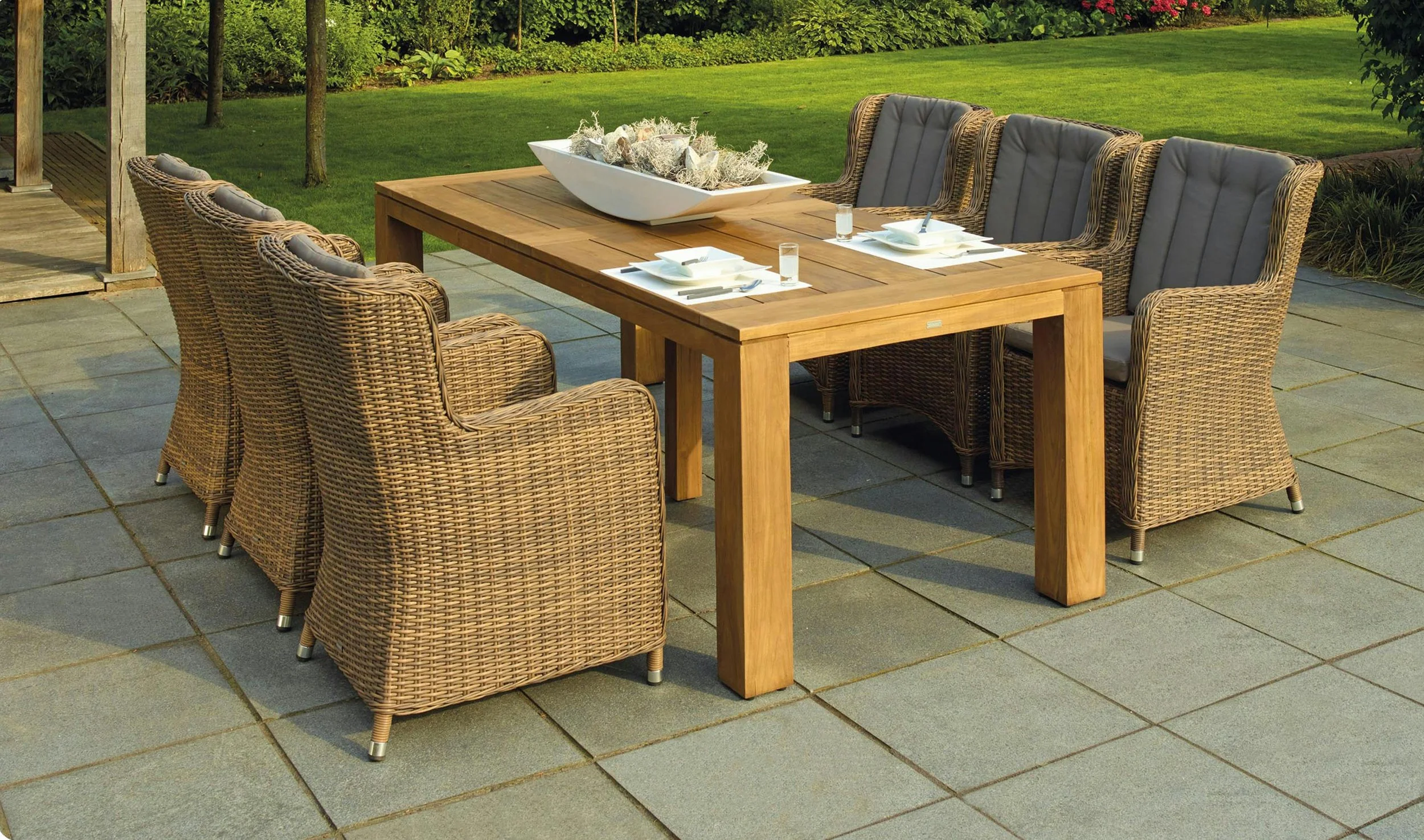
Low Maintenance for Busy Homeowners
The Benefit: Unlike a garden bed that requires constant weeding, mulching, and watering, hardscaped areas like stone patios and paver walkways are "set it and forget it" features.
Why it matters: Minnesota’s growing season is short. If you spend all summer pulling weeds, you aren’t spending it enjoying the weather. Hardscaping reduces the amount of lawn you have to mow and fertilize.
The Monson Method: We recommend applying a high-quality sealant every 2–3 years. This prevents weed seeds from taking root in the sand joints and protects the color of your stones from harsh UV rays and salt.
Erosion Control and Better Drainage
The Benefit: Many Minnesota properties, especially near the river bluffs or around our 10,000 lakes, deal with steep slopes. Retaining walls and permeable pavers manage water runoff and keep your soil where it belongs.
Why it matters: Heavy spring rains can wash away expensive landscaping in a single afternoon. Properly engineered hardscaping directs water away from your foundation, protecting your basement from the dreaded "spring thaw seepage."
The Monson Method: We emphasize core aeration for the surrounding lawn. By reducing soil compaction around your hardscape, we ensure the ground can absorb water, preventing it from pooling on your beautiful new patio.
Increased Property Value and Functional Space
The Benefit: A well-designed hardscape acts as an outdoor "addition" to your home. It creates a defined space for dining, fire pits, and kitchens that buyers crave.
Why it matters: In the Twin Cities real estate market, functional outdoor space is a major selling point. It makes a home feel larger and more finished than a simple patch of grass ever could.
The Monson Method: We focus on "multi-season" design. By adding a built-in fire pit or a seating wall, we extend your yard’s usability into those chilly November nights.
The Cons of Minnesota Hardscaping
The "Freeze-Thaw" Factor (Frost Heave)
The Challenge: Minnesota experiences about 100 freeze-thaw cycles per year. Water gets into cracks, freezes, expands, and exerts thousands of pounds of pressure on your structures.
The Risk: Inexperienced installers often use thin bases or poured concrete. In MN, poured concrete will crack eventually. When the ground heaves in January and settles in April, a solid slab has nowhere to go but up and out.
The Monson Method: We almost exclusively recommend concrete pavers over solid slabs. Because pavers are individual units, they can "flex" with the ground as it freezes. If one shifts, it can be easily reset without replacing the whole patio.
High Upfront Investment
The Challenge: Hardscaping is significantly more expensive than planting grass or flowers. The cost of heavy machinery, high-quality stone, and the labor required for a 12-inch gravel base adds up quickly.
The Risk: Homeowners often try to save money by skipping the "unseen" parts—like the depth of the base or the quality of the drainage pipe. In Minnesota, a "cheap" hardscape is usually a 3-year hardscape.
The Monson Method: We believe in doing it right once. We provide transparent, detailed quotes that explain why we invest so much time in the base preparation—it’s the only way to ensure your wall doesn’t start leaning after the first winter.
Heat Retention in Summer
The Challenge: Darker stones and large concrete surfaces can become "heat sinks" during our humid 90-degree July days, making the area uncomfortable for bare feet or pets.
The Risk: Without strategic planning, your new patio might become a "no-go zone" during the hottest part of the day.
The Monson Method: We suggest a "hybrid" approach. By integrating "softscaping" (trees and shrubs) into the hardscape design, we use natural shade to keep the stones cool and the environment balanced.
Ready to Upgrade Your Outdoor Living?
Hardscaping is one of the best investments you can make for your Minnesota home, provided it’s built to withstand our extreme weather. Whether you’re looking to install a new paver patio or need to repair a retaining wall that’s seen better days, we can help.
Would you like me to put together a custom hardscaping quote for your property, or should we look at a maintenance plan to protect your existing stones? Contact Monson Lawn & Landscape today!